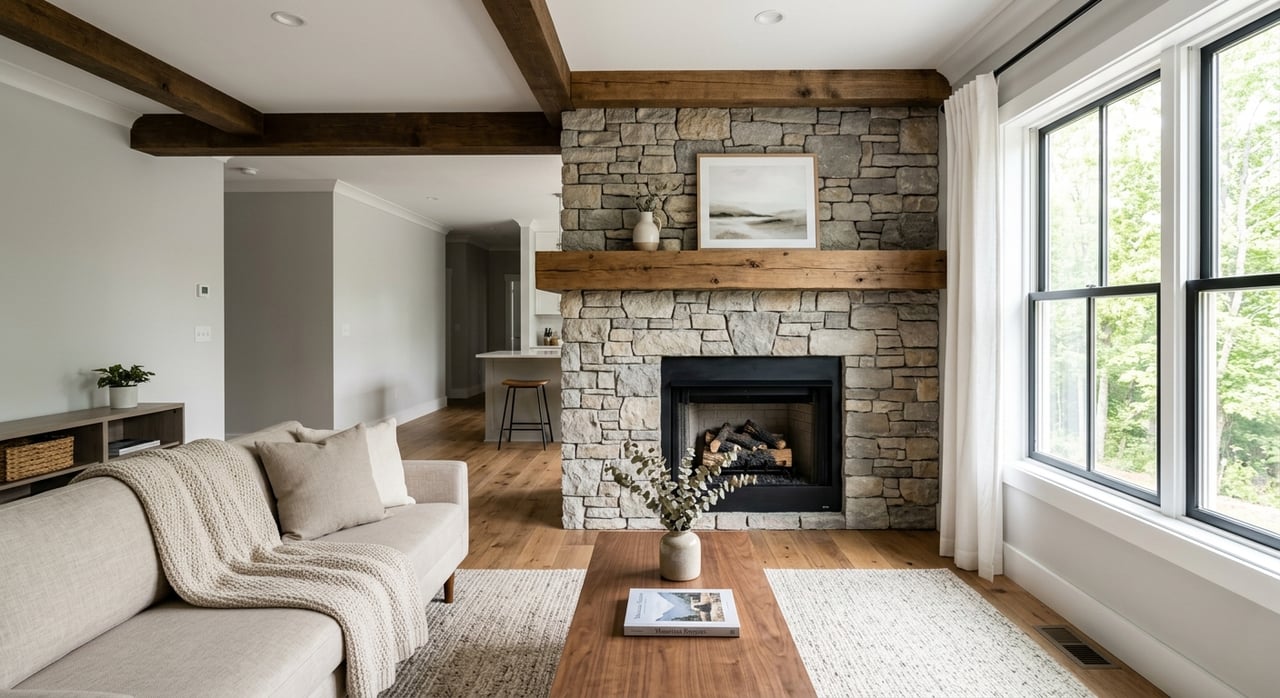
How To Get A Vail Condo Ready To Sell
June 18, 2026
June 18, 2026
Wondering whether you need to remodel your Vail condo before you list it? In most cases, you do not. In a market where buyers are comparing layout, light, views, building amenities, and overall condition, the smartest prep work is usually the work that removes distractions and helps your property show clearly. If you want to know what actually matters before your condo hits the market in Vail, this guide will walk you through the priorities. Let’s dive in.
Vail is a high-value, highly specific condo market. According to the Vail Board of REALTORS 2025 annual recap, the median sales price was $1,465,500, the average sales price was $2,556,161, there were 1,031 closed sales, and median days on market was 37.
Those numbers tell part of the story, but not the whole story. In Vail, small differences in view, location within a building, adjoining property, deed restrictions, and condition can change buyer response in a meaningful way. That is why getting your condo ready to sell is less about chasing trends and more about making sure buyers can quickly see the value your unit offers.
Many sellers assume they need a major renovation to compete. Usually, that is not the best first move. Consumer guidance in the research shows that cosmetic updates are not required before listing, while cleaning, decluttering, and addressing visible issues tend to have a bigger impact on photos and showings.
For most Vail condos, buyers are paying close attention to the things they cannot easily change. That often includes natural light, floor plan, mountain or village views, deck or patio space, storage, parking, and the overall feel of the building. If your condo presents as clean, cared for, and easy to imagine living in, you are already doing important work.
If you want a practical place to begin, start with the basics that consistently matter most.
This approach aligns with the strongest prep recommendations in the research. The most common seller recommendations were decluttering, cleaning the entire home, and improving curb appeal. In a condo setting, that translates to the entry, front approach, hallway impression, and any outdoor living area that a buyer will notice.
Not every room needs the same level of effort. The research shows the living room, primary bedroom, and kitchen matter most to buyers.
In a Vail condo, that usually means your top priorities are:
These spaces often carry the emotional weight of the showing. If the living area feels bright and open, the kitchen feels clean and functional, and the primary suite feels calm and comfortable, buyers are more likely to connect with the property.
One of the most effective ways to prepare a condo is to create a sense of space. That does not require new furniture or a complete redesign. It often means editing what is already there.
If a room feels crowded, remove a few pieces. If shelves and counters are full, clear them back. If closets are packed, thin them out so buyers can better understand the available storage.
Fresh towels, simple bedding, neutral wall colors, and clean surfaces can go a long way. The goal is not to make your condo look generic. The goal is to help buyers focus on the space itself.
A common Vail condo question is whether to sell furnished or unfurnished. The right answer depends on whether the furnishings help the property show better.
If your furniture fits the scale of the rooms, supports the layout, and helps the condo feel inviting, keeping it furnished may make sense. If the furniture is bulky, dated, overly bold, or makes the unit feel smaller, a lighter and more edited presentation may serve you better.
Think of furnishings as part of the marketing presentation, not just part of your ownership. Buyers should be able to understand how the room functions and how they might use it. When furniture gets in the way of that, it is worth adjusting.
Staging does not have to mean a full luxury install. It can be as simple as a consultation, selective updates to key rooms, or a partial staging plan.
The research shows staging helps buyers visualize the property as their future home. It also notes that some agents reported a 1% to 10% increase in the dollar value offered when staging was used, and about half reported faster sales.
For a Vail condo, staging is often most useful in the living room and primary bedroom. If the unit is vacant, staging those rooms can help buyers understand scale and flow without requiring every room to be furnished.
Vacant condos can feel clean and simple, but they can also feel cold or smaller than they really are. If your unit is empty, think about where buyers may need help understanding the space.
A practical approach is often to stage the main living area and primary bedroom, then keep the rest of the condo bright, clean, and well photographed. If virtual staging is used for marketing images, any material photo enhancement should be disclosed.
You do not need to repair every minor imperfection, but visible maintenance issues deserve attention. Buyers tend to notice the small things quickly, especially in a condo where they may already be weighing HOA costs, building condition, and future upkeep.
Before listing, consider addressing items like:
These fixes are usually more valuable than expensive cosmetic projects. They help your condo feel well maintained, which supports buyer confidence.
In Colorado, condo disclosures can be more detailed than many sellers expect. The state’s current Seller’s Property Disclosure form includes condo-related questions about owners’ association membership, special assessments, defects in common or limited common elements, association lawsuits involving defective construction, parking or access limitations, short-term rental use, radon tests and mitigation, environmental reports, insurance claims, and certain permit or covenant issues.
That means document prep should begin early. Do not wait until a buyer asks for records.
A good early document checklist includes:
Colorado’s HOA framework also makes it important to collect association records from the HOA in advance. Having those materials organized helps reduce delays and creates a smoother process once your condo is under contract.
If your Vail condo has been used as a short-term rental, handle that piece early. Colorado’s disclosure form asks whether the property was used for short-term rentals in the past year.
The Town of Vail defines a short-term rental as a unit or room leased for fewer than 30 consecutive days. The town also requires an approved short-term rental license before advertising or operating a short-term rental in Vail, and certain license types include additional requirements such as a designated local representative, liability coverage, and in some cases a fire inspection.
If your condo has any rental history, it is wise to verify your records, licensing status, and related documentation before going live. Buyers may ask questions about prior use, and clear records can help avoid confusion later.
Colorado sellers should also be ready for radon-related disclosures. The Colorado Department of Public Health and Environment says radon is common throughout Colorado, and about half of Colorado homes test above the EPA action level of 4 pCi/L. The state’s 2023 radon law requires sale contracts and seller disclosures to include a radon warning statement, the seller’s known radon concentration history and mitigation information, and the most recent CDPHE brochure for real estate transactions.
If you have prior radon test results or a mitigation system, gather that information early. It is much easier to handle when your records are already in order.
If your condo was built before 1978, lead-based paint disclosure rules may also apply before sale. Sellers must disclose known lead-based paint information, provide available records and reports, and give buyers the required opportunity related to lead inspection or risk assessment.
In Vail, prep and marketing timing go hand in hand. The Vail Board of REALTORS Clear Cooperation rule states that if a listing is publicly marketed, it must be entered into the MLS within one business day of the start of public marketing.
Public marketing includes things like flyers, yard signs, brokerage websites, email blasts, and other public-facing promotion. In practice, that means your pricing, photography, condo documents, and presentation plan should be ready before any public marketing begins.
Getting a Vail condo ready to sell is about more than making it look nice. It is about presenting the property in a way that matches how buyers evaluate value in a resort market.
That usually means resisting unnecessary renovation, focusing on the rooms that matter most, editing furniture and decor, organizing condo records early, and preparing for Colorado-specific disclosure items before they become last-minute issues. In a market as nuanced as Vail, thoughtful prep supports stronger marketing, better buyer confidence, and a smoother path to closing.
If you are preparing to sell and want candid advice on what is worth doing, what is not, and how to position your condo for the current Vail market, Kevin Kuebert can help you build a smart, local strategy.
Stay up to date on the latest real estate trends.

Partner with Kevin for expert guidance in buying or selling real estate in the Vail Valley. His experience and integrity ensure a smooth and successful process. Contact Kevin to start your real estate journey!